December 4, 2025
Understanding what happens during your first visit to an auto body shop can take a lot of stress off your shoulders. Whether the damage is minor or major, knowing the process helps you walk in with confidence instead of worry. And here’s a reassuring fact — according to IBISWorld, the average auto body repair shop employs at least three people, so there’s usually a full team ready to guide you through the entire experience. Most people are surprised to learn how organized and customer-friendly the process really is once they take that first step.
Below are some major parts of the experience, each one designed to help you feel more prepared and more comfortable. The goal is simply to show you what the flow looks like, how communication usually works, and how you can get the best outcome possible. Think of this as a friendly walkthrough, not a technical guide — the same way someone at a trustworthy auto body shop would explain things to you in person.
Planning Your Visit
Before stepping through the doors, it helps to have a general plan. Most people start by researching local options, reading reviews, or asking friends and family who they trust. When considering an auto body shop, look for one that has good communication habits, a clean environment, and technicians who are certified or well-trained. A quick phone call can tell you a lot — how the staff treats you as a caller usually reflects how they’ll treat you as a customer. That first impression really does matter.
You may also want to ask about their scheduling, how long the evaluation normally takes, and what documents you should bring. Being proactive helps the process go more smoothly and makes you feel more in control of the situation. Many drivers say that just talking to a friendly team member puts their mind at ease. The right auto body shop will always give you clear answers, never rushed or vague ones, because they understand you’re dealing with something unexpected and stressful.
Bringing the Right Information
When you arrive, having your insurance card, registration, and any repair notes or photos can save time and reduce back-and-forth communication. These details help the staff understand your situation quickly, especially if the accident involved another driver or if your insurance company has already given you instructions. Most front desk teams at an auto body shop appreciate customers who bring everything with them, because it keeps the process moving without delays.
Even if you’re not sure what documents matter, bringing everything you think could help is better than guessing. The staff can figure out what they need and what isn’t necessary. It also shows that you care about accuracy and want the repair process to be as smooth as possible. This small bit of preparation often makes your first visit feel more organized and less overwhelming, giving you a sense of control from the start.
Explaining What Happened
One of the first things you’ll be asked to do is explain the damage and how it occurred. You don’t need to use technical language — simple, everyday descriptions are completely fine. The auto body shop team deals with all kinds of situations and understands how to translate your observations into repair needs. They’ll ask follow-up questions not to complicate things, but to help narrow down possible hidden damage that may not be obvious at first glance.
Being open and detailed helps technicians get a clear starting point. Many drivers feel relief once they’ve talked everything through because it feels like handing the problem over to someone who knows how to handle it. The conversation isn’t just about the car; it’s also a chance for the auto body shop to reassure you that you’re in the right place and that they have the experience to move forward properly. A little back-and-forth here goes a long way in shaping a positive experience.
Getting the Initial Inspection
After check-in, a technician will perform a visual inspection. They may walk around the vehicle with you, take photos, and note any areas of concern. This isn’t the full diagnostic — it’s just the first step to build an understanding of the visible damage. During this time, you’re free to mention anything you’ve noticed while driving since the incident, even if it seems minor. Every detail helps create a clearer picture of what needs attention.
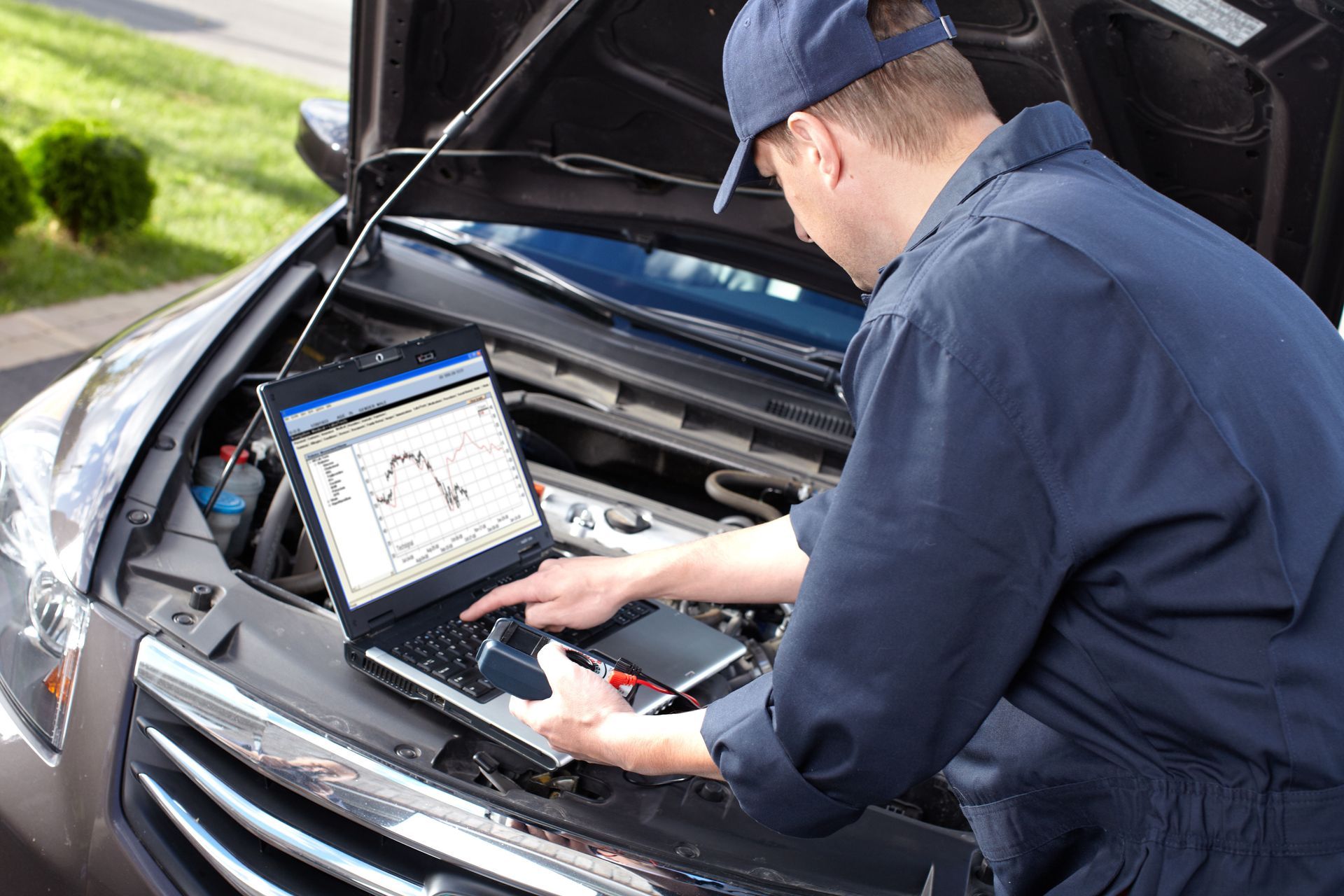
Once the visual check is done, a deeper diagnostic may follow. This can include checking alignment, frame structure, or electronic systems that might have been affected. This step is where a trained team really shines, and it’s one of the reasons choosing an experienced auto body shop makes such a difference. They can see what the average driver can’t, and they use specialized tools to confirm what needs to be fixed. You should walk away from this stage feeling like your car has been thoroughly evaluated by people who know exactly what they’re doing.
Reviewing Your Repair Estimate
After the inspection process, you’ll receive an estimate outlining what needs to be repaired, the parts involved, and the cost of labor. A good auto body shop will walk through it with you line by line, making sure nothing feels confusing or unclear. This part isn’t meant to overwhelm you — it’s meant to help you understand the plan so you feel confident moving forward. Asking questions is completely normal, and any reputable shop welcomes them.
This discussion also helps you understand your options. For example, you might choose between OEM or aftermarket parts depending on cost, insurance coverage, and personal preference. When an auto body shop takes the time to explain these choices, it shows they care about transparency and want you to feel comfortable with every decision. Many customers say this is the moment they start to feel relieved because everything becomes clearer and more predictable.
Staying Updated During the Work
Once repairs begin, communication is one of the biggest factors in how comfortable you feel. Many shops update customers by phone, text, or email, and some even use online tracking systems. If anything unexpected comes up — such as hidden damage that wasn’t visible during the initial inspection — the auto body shop will reach out before making changes. This helps you stay informed without needing to constantly call for updates.
Most drivers appreciate this level of transparency because it removes the mystery behind what’s happening in the shop. You’ll know when parts arrive, when repairs are underway, and when the timeline shifts. Good communication keeps the experience smooth and helps build trust. When you know your vehicle is being taken care of by attentive technicians, the repair process feels far less stressful.
Inspecting Your Vehicle at Pickup
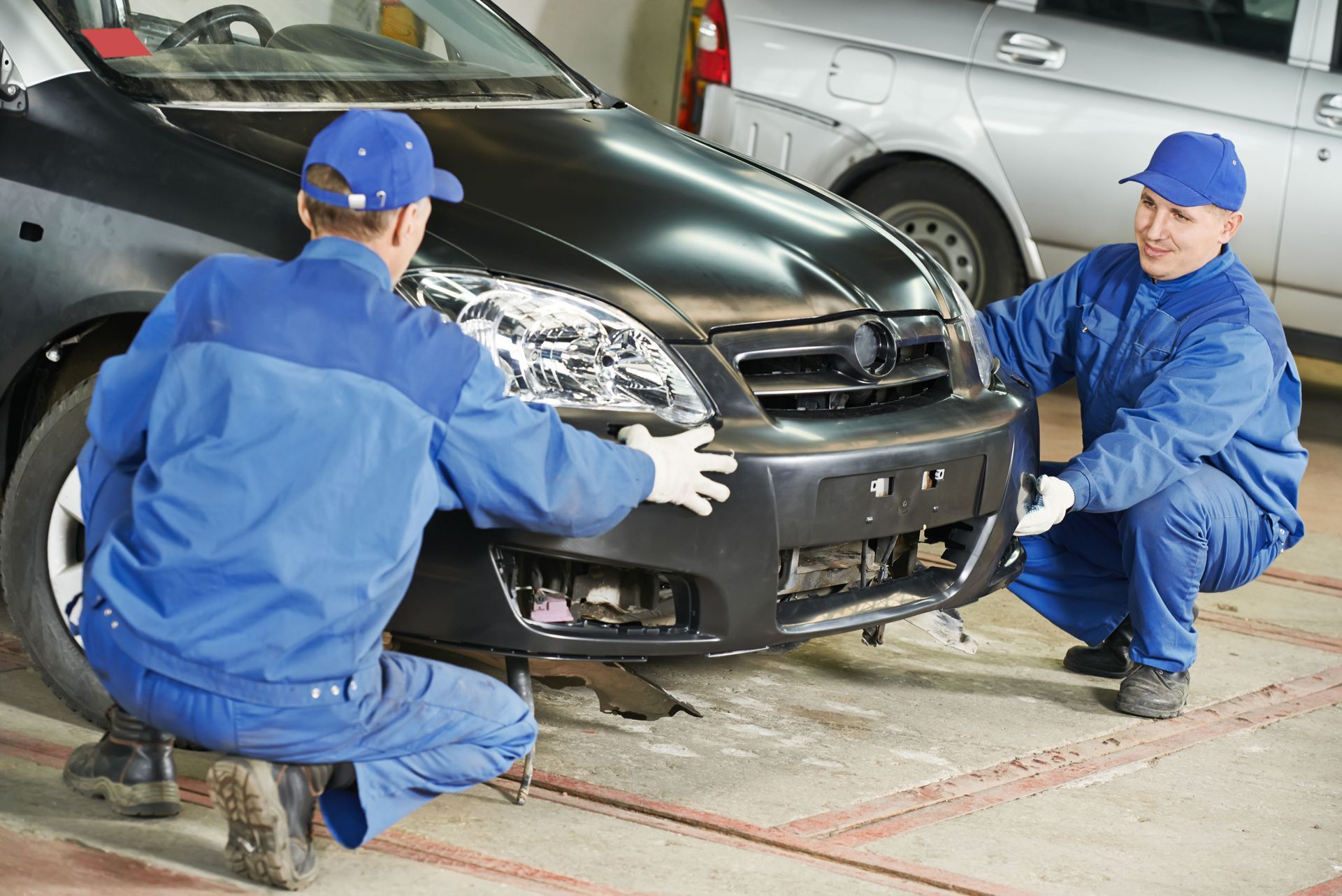
When the repairs are finished, you’ll walk through a final inspection with a staff member. This is your chance to look over the workmanship, ask questions, and confirm that everything feels right. A quality auto body shop will never rush you through this step — they want you to feel confident and satisfied before you drive away. Take your time here and make sure everything appears and functions the way it should.
You may also receive advice on caring for newly repaired areas, paint protection tips, or guidance on what to avoid in the first few weeks after picking up your car. This is also when warranties on parts or labor are reviewed. It’s meant to give you peace of mind knowing the shop stands behind the work they’ve done. By the time you leave, you should feel like your vehicle has been restored and that you were supported every step of the way.
If you’re ready for a friendly, stress-free repair experience, contact Comfort Auto & Body Repair. Our team is committed to making the process simple, transparent, and supportive from the moment you walk in. Whether you’re dealing with accident damage, cosmetic repairs, or insurance coordination, we’ll guide you step-by-step and treat your vehicle with the care it deserves.